

How Art Therapy Helps Teens Who Struggle to Talk About Feelings
Teenagers often experience emotions in ways that feel intense, confusing, and sometimes overwhelming. Yet for many teens, putting those feelings into words can feel nearly impossible. Whether it’s fear of judgment, difficulty identifying emotions, or simply not knowing where to begin, “talking about it” isn’t always the easiest path.
This is where art therapy offers a powerful alternative.
Rather than relying solely on conversation, art therapy invites teens to express themselves through creativity—opening doors to communication, connection, and healing in ways that feel safe and natural. According to the American Art Therapy Association, art therapy supports mental health through creative expression and the therapeutic relationship.

Why Teens Struggle to Express Emotions
Adolescence is a period of rapid emotional and neurological development. Research in Developmental Psychology shows that the brain’s emotional centers develop faster than the areas responsible for regulation and communication.
Because of this, teens may struggle with:
● Limited emotional vocabulary
● Fear of being misunderstood or judged
● Past experiences where sharing didn’t feel safe
● Difficulty identifying what they’re feeling in the moment
When emotions can’t be expressed, they often show up in other ways—like withdrawal, irritability, anxiety, or even physical symptoms.
What Is Art Therapy?
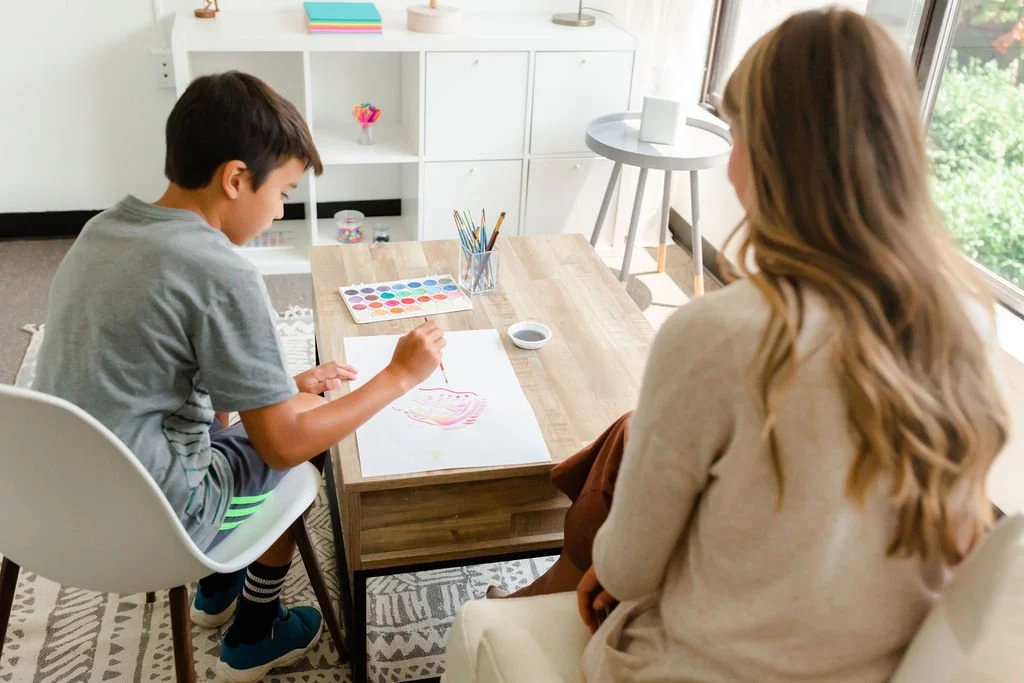
Art therapy is a form of psychotherapy that uses creative expression—such as drawing, painting, sculpting, or collage—to explore emotions and experiences. The focus isn’t on artistic skill or creating something “perfect,” but on the process itself.
The American Psychological Association recognizes creative and expressive therapies as valuable tools in supporting emotional well-being.
In many cases, the artwork becomes a bridge between a teen’s internal world and their ability to communicate it.
How Art Therapy Supports Emotional Expression
1. It Takes the Pressure Off Words
For teens who feel overwhelmed by direct questions like “How are you feeling?”, art provides a gentler entry point. Emotions can emerge naturally through the creative process—without pressure to explain everything right away.
Sometimes, a single image or color can say more than words.
2. It Helps Externalize Internal Experiences
When emotions are turned into something visible—like a drawing or sculpture—they become easier to understand and manage. This process, known as Externalization, allows teens to step back and observe their feelings rather than feel overwhelmed by them.
This can help them:
● Gain perspective
● Reduce emotional intensity
● Feel more in control
3. It Builds Emotional Awareness
Art therapy helps teens gradually identify and name their emotions. With gentle guidance, they begin to connect what they create with what they feel—building emotional insight over time.
4. It Creates a Sense of Safety and Control
In art therapy, there’s no “right” or “wrong” way to create. This freedom is especially important for teens who feel judged or misunderstood elsewhere.
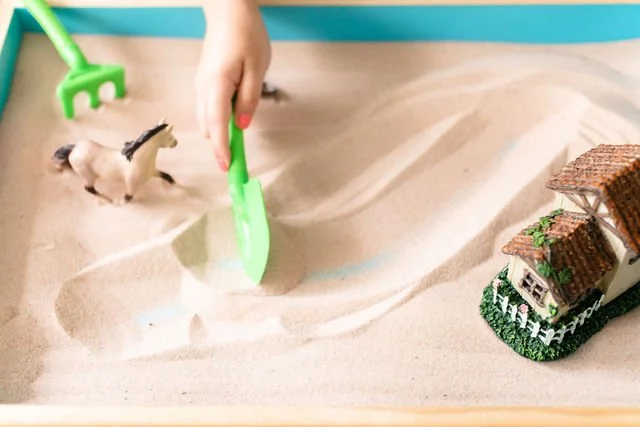
They get to choose:
● What they create
● How much they share
● The pace of the process
This sense of control helps build trust and confidence.
5. It Engages the Mind and Body
Creative expression is both mental and physical. Activities like drawing or painting can feel calming and grounding, supporting the Mind-Body Connection.
Research shows that art-making can even help reduce stress and promote relaxation.
What Art Therapy Might Look Like for Teens
Every teen’s experience is different, but sessions often include:
● Open-ended art-making
● Guided prompts to explore emotions
● Gentle reflection and conversation
Some teens may want to talk about their work right away, while others may take more time—and that’s completely okay.
How to Support Your Teen at Home
If your teen struggles to talk about their feelings, you can help by creating space for expression:
● Offer art materials without expectations
● Avoid pressuring them to explain their work
● Stay curious and open, rather than critical
Even simple activities like doodling, journaling, or crafting can support emotional processing.
Final Thoughts
Not every teen communicates best through words—and that’s okay.
Art therapy recognizes that expression can take many forms. By meeting teens where they are, it offers a compassionate and effective pathway for connection, self-understanding, and healing.
For teens who feel stuck, silent, or unsure how to share what’s inside, art can become a voice—one that speaks clearly, safely, and authentically.