

Anxiety in children does not always look like fear. Sometimes it looks like a stomachache before school, an argument over homework, or tears when plans change. A child may seem distracted, unusually quiet, or determined to make everything perfect. These behaviors can be easy to misunderstand, especially when children struggle to find the words for how they feel.
Recognizing anxiety does not mean treating every difficult moment as a mental health problem. It means noticing a pattern: distress that keeps returning, grows more intense, or interferes with everyday life.
1. Frequent Stomachaches or Headaches
When a child repeatedly complains of pain before school or activities, parents may wonder whether they are trying to avoid something. But physical discomfort can accompany anxiety. Stomachaches, headaches, muscle tension, and fatigue may be part of the overall picture.
Pay attention to when symptoms appear. Do they cluster around presentations, social events, or school mornings? These observations can help a healthcare professional understand the situation.
2. Irritability That Looks Like Defiance
An anxious child is not necessarily a quiet child. Anxiety can involve irritability, restlessness, and feeling on edge. In social situations, some children may cry, cling, or have tantrums rather than explain their fear.
That does not make every argument a symptom. It does suggest looking beyond the behavior when reactions repeatedly occur in particular situations.
Instead of only asking, “Why are you being difficult?” try, “What feels hard about this right now?” Parents can maintain boundaries while making room for an explanation. Understanding distress and addressing unacceptable behavior do not have to be competing goals.

3. Perfectionism That Attracts Praise
A hardworking child may look confident from the outside. Yet children with generalized anxiety can worry intensely about mistakes, disappointing others, and meeting expectations. Perfectionism may become a way of managing those fears.
Possible clues include repeatedly restarting work, becoming deeply upset over small errors, or hesitating to try unfamiliar activities. The issue is not ambition itself. It is whether the child can tolerate learning, uncertainty, and ordinary mistakes without overwhelming distress.
A useful conversation might begin: “I notice you’re having trouble stopping this assignment. What worries you about turning it in?”

4. Avoidance Disguised as Disinterest
“I don’t like parties.” “That club is boring.” “I’d rather stay home.”
Sometimes these statements are simply preferences. But avoidance deserves attention when it repeatedly limits friendships, attendance, or participation. Children with social anxiety may avoid school, struggle to interact with peers, or refuse to speak in certain social situations.
The distinction is not between being outgoing and being quiet. It is between choosing something comfortably and feeling unable to do something because of anxiety.
Notice whether your child’s world is becoming smaller, particularly if they are withdrawing from activities they previously enjoyed.
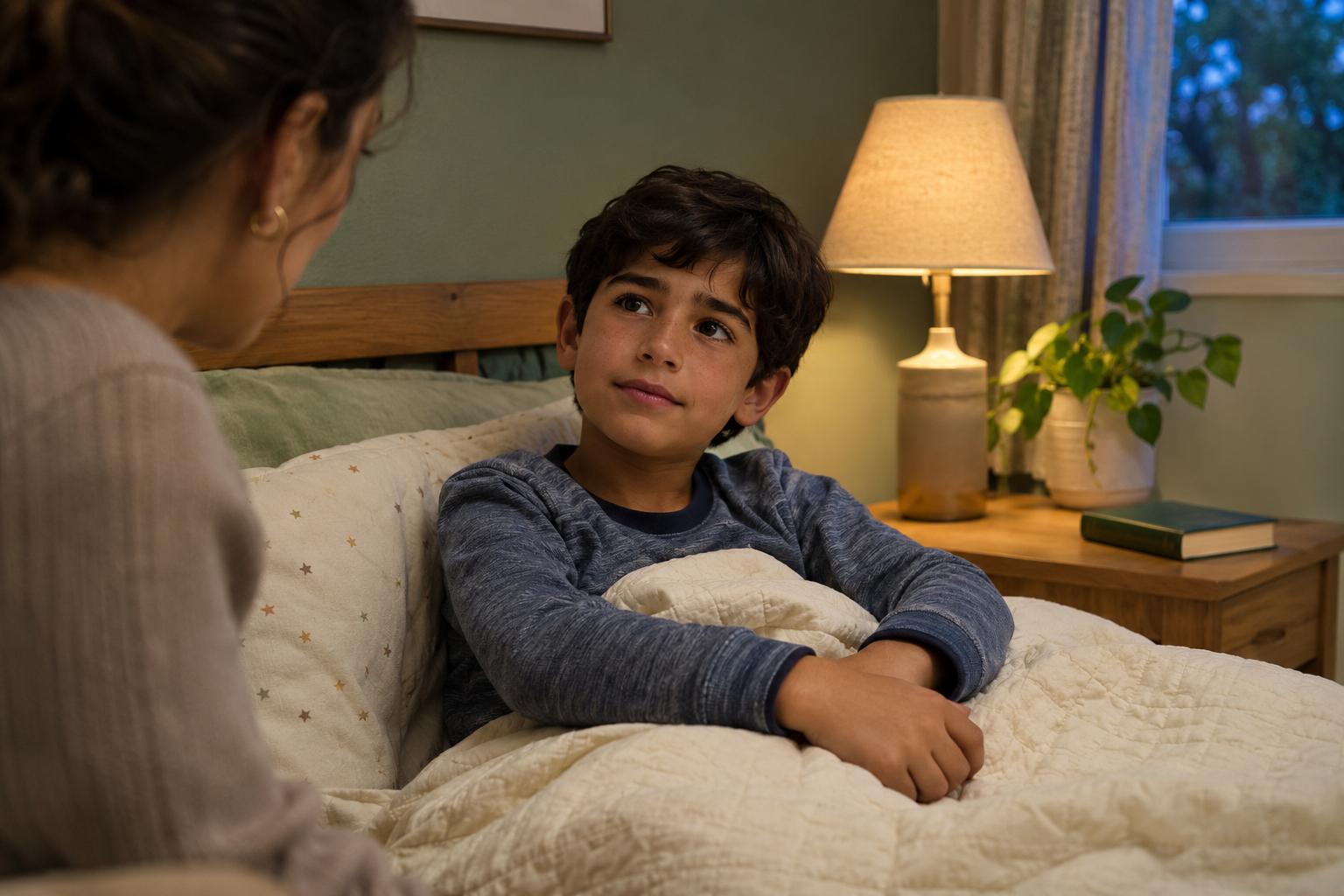
5. Bedtime Struggles and Poor Sleep
Trouble falling asleep, disrupted sleep, and tiredness can accompany anxiety. Children may worry about school performance, friendships, family circumstances, or future events, with those concerns continuing at bedtime.
Parents may notice repeated conversations about tomorrow or a child who seems exhausted but cannot settle. Rather than assuming the problem is resistance to bedtime, ask, “What thoughts show up when you’re trying to sleep?”
Sleep difficulties have multiple possible explanations. Persistent problems, particularly those affecting daytime functioning, are worth discussing with a healthcare professional rather than automatically attributing them to worry.
6. Concentration Problems
A child may stare at homework, lose track of instructions, or seem unable to finish familiar tasks. Difficulty concentrating is a recognized symptom of generalized anxiety, alongside restlessness, fatigue, and sleep problems.
From the outside, these difficulties can look like not listening or not trying. However, concentration problems alone do not identify their cause. Parents should avoid deciding that anxiety explains everything, just as they should avoid assuming laziness.
When difficulties persist, share concrete examples with a professional: what happens, where it happens, and how it affects learning or daily responsibilities.

When Should Parents Seek Help?
Occasional worry is part of childhood. What matters is whether worry persists, causes distress, or interferes with everyday life. NIMH recommends seeking help when symptoms last weeks or longer, cause significant distress, or affect functioning at home, at school, or with friends. Serious interference deserves prompt attention.
Ask yourself:
Is this becoming more frequent or intense?
Is my child missing school or avoiding friends?
Are sleep, learning, or family routines suffering?
Have teachers noticed changes?
You do not need certainty about a diagnosis before raising concerns.
How to Respond With Understanding
Start with observations rather than labels: “I’ve noticed mornings have been difficult,” or “You seem worried about getting things wrong.”
Listen without requiring an immediate explanation. Bring recurring concerns to your child’s pediatrician or a qualified mental health professional. An evaluation can consider physical health, emotional symptoms, and daily functioning.
Effective treatments exist, including cognitive behavioral therapy, which helps children work with anxious thoughts and behaviors. Some children also benefit from medication under clinical supervision.
Parents do not have to recognize every sign immediately. Taking a recurring struggle seriously and seeking support when it disrupts life can be a meaningful first step.