

Supporting Your Child’s Mental Health During the Back-to-School Transition
As the summer winds down, the back-to-school season can bring a mix of excitement, nerves, and stress—for both kids and parents. Whether your child is entering elementary school, navigating middle school, or preparing for high school, this transition can stir up emotions that may impact their mental health. As a parent, you play a crucial role in making this shift smoother and more manageable.

You Can Do This!
There are a lot of ways you can support your child’s mental well-being through this seasonal change, including strategies based on developmental stage and evidence-based research.
Understanding the Transition Stress
Transitions can be tough for kids of all ages. According to a study published in Child Psychiatry & Human Development, students often experience increased anxiety and depressive symptoms in the first few weeks of school, especially when returning from extended breaks like summer vacation (Pellerin & Albrecht, 2019). These feelings can stem from academic pressure, social concerns, or general uncertainty.
The key is to support children emotionally while helping them build resilience and routines. Here’s how you can do that, tailored to your child’s age.
Elementary School: Routine, Reassurance & Play
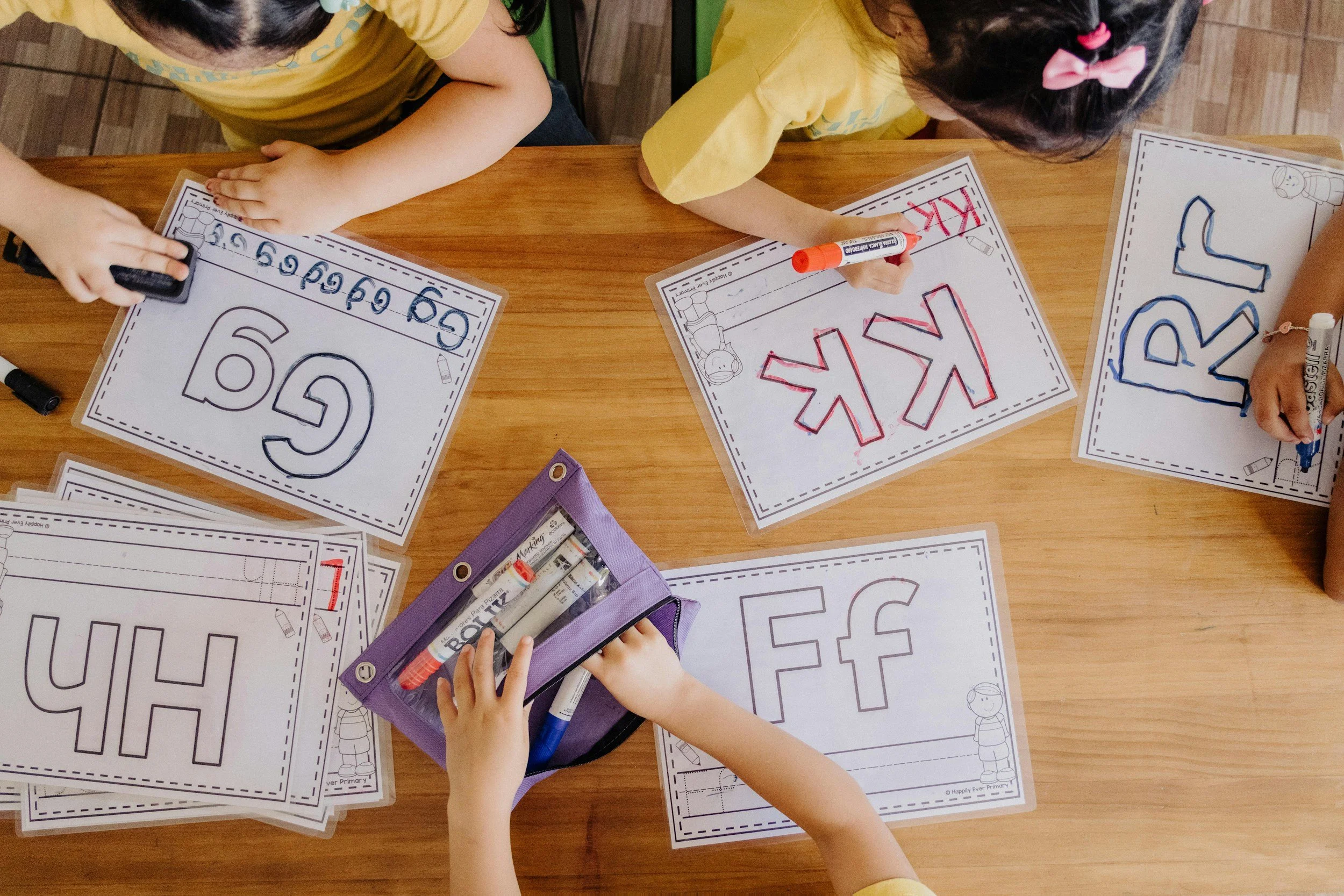
For young children, the return to school often means separation from parents, adapting to new teachers, and adjusting to structured days. This can spark anxiety, especially for children just starting kindergarten or moving to a new school.
How to support them:
Start early routines: Gradually reintroduce school-year routines in the last few weeks of summer—bedtimes, wake-up times, and structured meals. A 2021 study in Sleep Health found that consistent sleep schedules significantly reduce behavioral issues and anxiety in young children (Minges & Redeker, 2021).
Talk about what to expect: Read books about school and talk through what a school day looks like. Walk or drive by the school before the first day to build familiarity.
Create rituals: A morning goodbye ritual or after-school snack chat can help your child feel secure and supported.
Model calmness: Kids pick up on your emotional cues. Stay positive about school and listen to their worries without judgment.
Middle School: Social Anxiety & Identity Development
Middle school is a time of social shifts and identity exploration. Students may feel more pressure to fit in and succeed academically, which can trigger social anxiety or fear of failure.
How to support them:
Normalize nervousness: Let your tween know it’s okay to feel nervous about making friends or handling new subjects. Share stories from your own school days to help them feel less alone.
Teach coping strategies: Help your child identify anxiety symptoms (like stomachaches or trouble sleeping) and practice simple coping tools like breathing exercises or journaling. A Journal of Adolescence study found that mindfulness practices significantly reduce social anxiety symptoms in middle schoolers (Zoogman et al., 2015).
Encourage small social steps: Suggest ways to reconnect with peers before school starts—organize a playdate or attend school open house events.
Stay involved, but give space: Check in without interrogating. Ask open-ended questions like, “What’s one thing you’re looking forward to this week?” rather than “How was school?”
High School: Academic Pressure & Future Fears
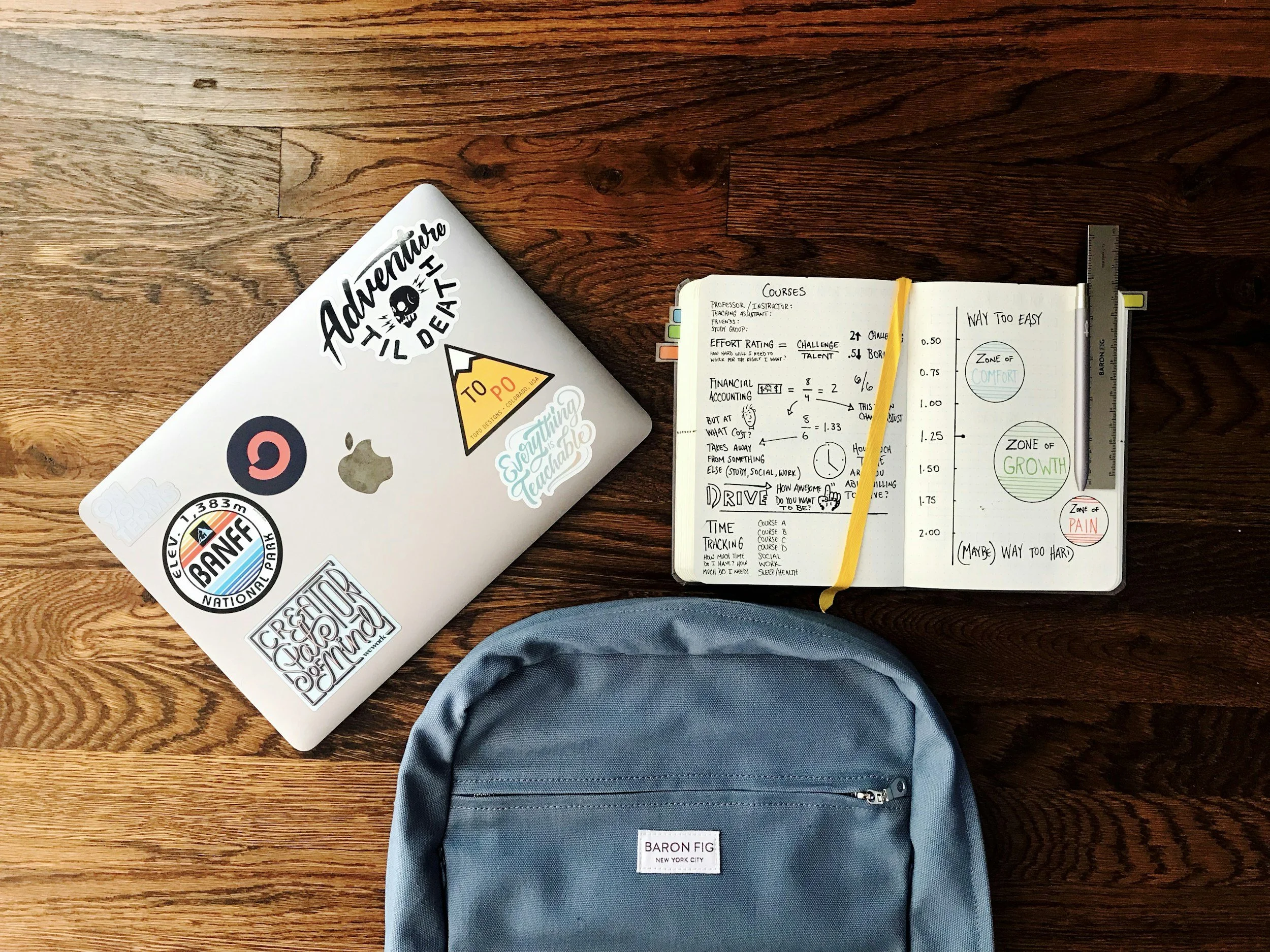
For high school students, the back-to-school transition often carries heavier stakes—college planning, extracurriculars, and increased academic demands.
How to support them:
Help with prioritizing: Teens often feel overwhelmed balancing school, sports, and social life. Help them break big goals into smaller, manageable steps.
Foster open conversations: Create a judgment-free zone where your teen feels safe expressing stress or fears. A Journal of Youth and Adolescence study found that teens who feel emotionally supported by parents show fewer signs of depression during school transitions (Wang & Eccles, 2013).
Promote healthy habits: Encourage good sleep, regular exercise, and downtime. Teens need 8–10 hours of sleep, but many get less during the school year—contributing to irritability and poor focus.
Encourage professional support if needed: If your teen shows signs of chronic anxiety or depression, consult a school counselor or mental health professional. Early intervention matters.
What Parents Can Do for Themselves
It’s easy to put your child’s needs first and forget your own. But your mental health is just as important.
Tips to stay grounded:
Practice self-compassion: This is a stressful transition for you, too. It’s okay to feel overwhelmed.
Set realistic expectations: Every family’s adjustment looks different. Focus on progress, not perfection.
Find your own routine: Reclaim time for your well-being—walks, journaling, or connecting with other parents.
Model healthy coping: Children learn emotional regulation by watching how you handle stress.
Final Thoughts
Back-to-school season is a transition for the whole family. By tuning into your child’s unique needs, fostering open communication, and creating supportive routines, you can help ease their anxiety and set the tone for a positive school year.
Remember, it’s not about eliminating stress altogether—it’s about teaching kids how to face it with resilience, confidence, and your loving guidance. If you would like additional information and/or support going into this school year, please reach out! Our team of expert clinicians work with children and teens, as well as provide parent coaching services.