

If you’ve ever lost sleep worrying about what others think, bent over backward to please someone, or obsessed over why someone didn’t include you, then Mel Robbins’ latest book, The Let Them Theory, might be the breath of fresh air you didn’t know you needed.
Bestselling author and motivational powerhouse Mel Robbins returns with a deceptively simple idea that’s striking a chord with readers—and with therapists: when someone does something that bothers you, just… let them.
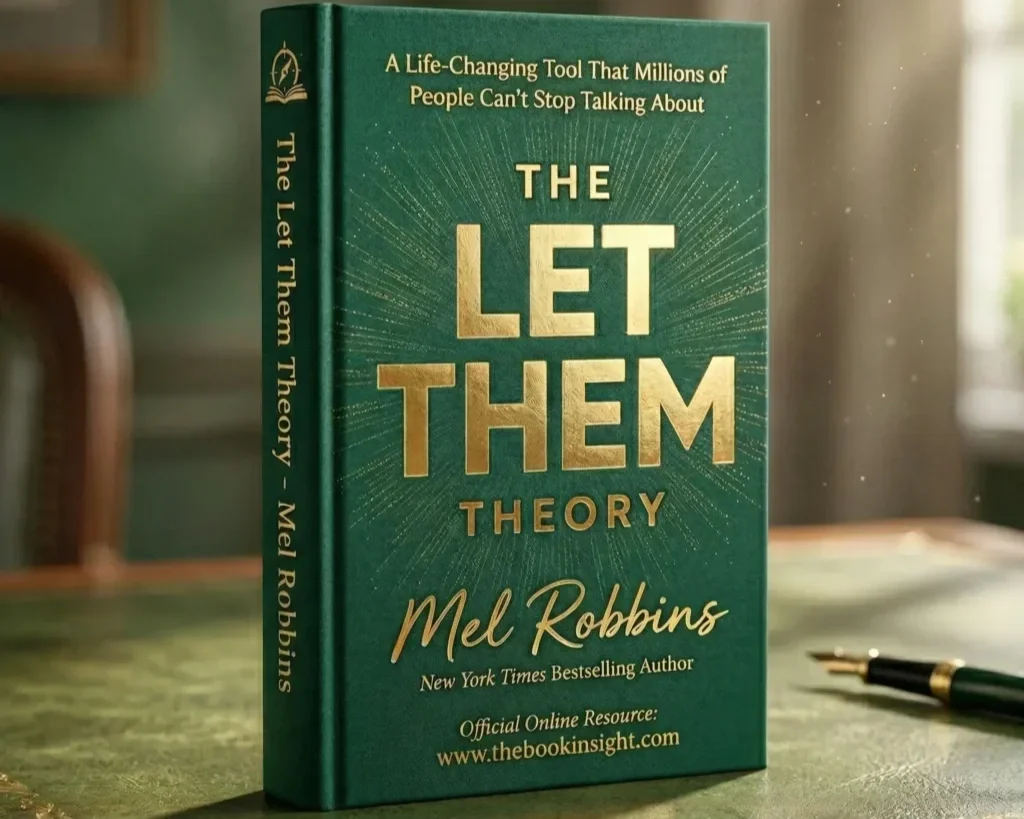
Yes, that’s it. Let them. Let them think what they want. Let them leave. Let them say no. Let them make choices you don’t understand.
This isn’t about being passive—it’s about freeing yourself from the exhausting (and impossible) job of controlling other people’s behavior, emotions, or perceptions. For clients stuck in people-pleasing, anxiety, or codependent patterns, The Let Them Theory offers a bold new way forward.
What’s the Book About?
At its core, The Let Them Theory is a mindset shift. Robbins invites readers to stop micromanaging others and start managing themselves—their reactions, their energy, and their priorities.
The book is structured around real-life examples, practical strategies, and Robbins’ signature blend of directness and compassion. Whether you’re trying to break free from toxic dynamics, struggling with social anxiety, or just tired of overthinking everything, her message is clear: you gain peace when you stop trying to control what’s not yours to control.
She breaks down how this theory applies to everyday situations—friends canceling plans, coworkers acting distant, family members criticizing your choices—and shows how choosing non-reactivity can be a powerful act of self-respect.
Why Therapists Recommend This Book
Many therapists have added The Let Them Theory to their list of go-to recommendations—and for good reason. It reinforces several key principles from evidence-based therapeutic approaches, including:
Acceptance and Commitment Therapy (ACT)
At its core, The Let Them Theory mirrors the ACT idea of "letting go of the struggle" and choosing aligned action. Robbins encourages readers to stop resisting what others do and instead focus on living by their own values.Boundary Work
Clients working on setting and holding boundaries often fear how others will respond. This book helps normalize the discomfort that comes with boundary-setting—and provides language to help clients stay rooted in their truth.Cognitive Behavioral Therapy (CBT)
Robbins’ approach to reframing negative thought patterns (e.g., “They didn’t invite me—what’s wrong with me?” becomes “Let them make their choices—it’s not about me”) aligns well with CBT strategies.Empowerment and Self-Compassion
Therapists love that Robbins consistently returns to self-trust. The book teaches readers to meet their own emotional needs instead of outsourcing their validation or peace of mind.
How It Helps Clients

The Let Them Theory is especially powerful for clients who struggle with:
People-Pleasing: Robbins gives permission to stop twisting yourself into a pretzel to keep others happy.
Overthinking: The theory helps quiet the endless mental loops of “Why did they do that?” and “What should I do?”
Anxiety in Relationships: Clients learn to stay grounded in their own behavior, rather than reacting to others’ moods or actions.
Codependency: For those who feel overly responsible for others’ feelings or decisions, this book is a powerful reminder that you can love someone and still let them be fully in charge of their own life.
One of the most empowering ideas in the book is that letting them doesn’t mean letting go of yourself. It means protecting your peace by releasing control over things that were never yours to begin with.
Therapist-Approved Takeaways
Here are a few client-favorite concepts from the book:
“If they want to walk away, let them. You don't have to chase them to be worthy.”
“If they don’t support your boundaries, let them be uncomfortable. That’s not your burden to fix.”
“If they don’t like your truth, let them think what they want. Their opinion isn’t your reality.”
Robbins isn’t just talking about radical acceptance—she’s modeling it. And for clients, that modeling can be a game-changer.
What Makes It So Readable?
Mel Robbins writes like she’s talking to a close friend. The book is conversational, full of real-life stories, and infused with humor and heart. She’s not preaching from a therapist’s chair—she’s walking alongside the reader, sharing her own struggles and insights.
For clients who may feel intimidated by clinical language or overwhelmed by traditional self-help, The Let Them Theory is refreshingly accessible and actionable. It doesn’t promise perfection—it promises clarity, agency, and a whole lot less stress.
Final Thoughts
The Let Them Theory is a compassionate call to stop trying to control what was never yours to control—and to start showing up fully in your own life. It’s a book about boundaries, self-trust, and peace, wrapped in Robbins’ relatable, no-nonsense voice.
Therapists love it because it supports deep emotional work in a practical, real-world way. Clients love it because it’s honest, empowering, and easy to implement.
Whether you’re a clinician looking for a helpful tool or a reader ready to stop over-functioning for everyone else, The Let Them Theory is a must-read reminder that freedom lives on the other side of letting go.
Want to Learn More?
Visit www.melrobbins.com for podcasts, coaching tools, and more from Mel Robbins.
Recommend the book to clients working on boundaries, anxiety, or relationship patterns.
Use “Let Them” as a journaling prompt or mindfulness mantra in session—it’s simple but powerful.